
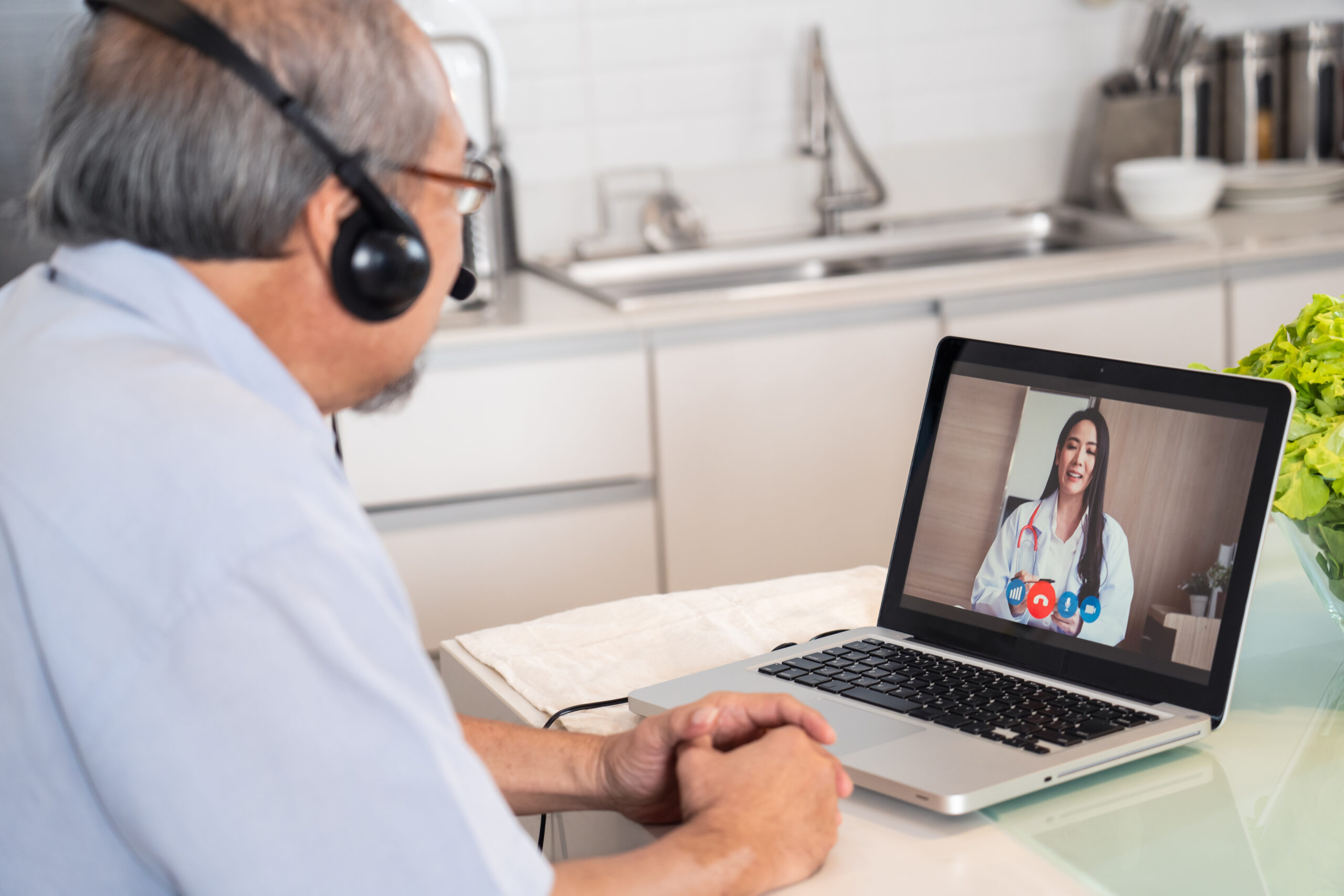
If you’re a Blue Cross Blue Shield (BCBS) member, you may be exploring how bcbs covered telehealth therapy can support your mental health or addiction treatment plan. Most BCBS insurance plans now cover telehealth mental health services at the same rate as in-person visits [1], ensuring you pay the same copays, deductibles, and coverage limits whether you meet your provider face to face or online.
In this guide, you’ll learn about BCBS telehealth benefits, the types of services covered, cost details, and tips to get started with online therapy. Whether you need outpatient counseling, medication-assisted treatment, or intensive outpatient programming, telehealth expands your options and flexibility.
BCBS telehealth coverage overview
Coverage parity with in-person visits
When you use bcbs covered telehealth therapy, your video or phone sessions typically count as the same type of mental health visit as in-person appointments. Most Blue Cross Blue Shield plans reimburse telehealth therapy at identical copays, deductibles, and coverage limits [1]. This parity ensures you won’t face extra out-of-pocket costs simply because you choose online care.
Eligible BCBS plans
Teletherapy benefits extend across a broad range of BCBS plans, including:
- PPO, HMO, EPO and POS plans
- Federal Employee Program (FEP) Service Benefit Plan via Teladoc with no out-of-pocket cost [2]
- Medicare Advantage plans administered by Blue Cross NC, which will cover telehealth therapy permanently under updated CMS guidelines starting October 2025 [3]
Keep in mind that specific services covered, copays, and visit limits may vary by your individual BCBS plan. Always verify details in your plan documents or by calling the member services number on your insurance card.
Covered telehealth therapy services
Video and phone sessions
With bcbs covered telehealth therapy, you can connect with mental health professionals through secure video or phone calls. These real-time sessions let you work one-on-one with licensed therapists, counselors or psychiatrists from home. Depending on your specific BCBS plan, you may access:
- Individual psychotherapy via live video
- Phone-based therapy sessions
- Couples and family therapy (where covered)
Your teletherapy visits generally require the same member copay as an in-office appointment, making continuity of care seamless.
Digital mental health platforms
Beyond live calls, some BCBS plans include access to digital mental health services, such as Talkspace and Charlie Health. Talkspace offers text, voice, and video messaging therapy and live sessions with licensed clinicians across every state, with an average copay of $15 per session [4]. For virtual intensive outpatient programming, you can find options through providers like Charlie Health, which has shown high patient-reported improvements in anxiety, depression and self-harm outcomes with BCBS coverage [5]. These platforms can be a flexible supplement or alternative to traditional teletherapy.
Cost and reimbursement details
Copays and deductibles
Your out-of-pocket costs for bcbs covered telehealth therapy sessions generally mirror those of in-person visits. Across BCBS plans, copays for mental health therapy typically range from $15 to $40 per session, depending on your plan tier and provider type [6]. If you haven’t met your deductible, telehealth visits will apply toward the same deductible as office visits. Annual session limits may apply in some plans, so review your evidence of coverage to understand any caps.
Reimbursement rates and parity
BCBS reimbursement rates for telehealth therapy reflect those for face-to-face treatment, often falling between $60 and $160 per session based on provider credentials and geography [6]. State parity laws in many regions also require insurers like BCBS to reimburse telehealth at in-person rates, although specifics differ by state [7]. To ensure smooth claims processing:
- Use the correct CPT codes and modifiers, such as the “GT” telehealth modifier
- Verify patient eligibility before each session
- Document service details and modality in the clinical notes
Following these billing best practices can reduce claim denials and speed up reimbursement.
Telehealth addiction and mental health programs
BCBS covered telehealth therapy spans a variety of care models, from standard outpatient counseling to medication-assisted treatment. You can access many of these programs remotely, maintaining continuity whether you’re starting treatment or transitioning back after in-person care.
Outpatient therapy and psychiatry
You can receive individual or group counseling, psychiatric evaluations and medication management through telehealth. BCBS plans commonly cover:
- One-on-one or group therapy sessions [8]
- Psychiatric evaluations [9]
- Virtual psychiatry visits for ongoing medication management [10]
- Combined therapy and medication oversight [11]
- Outpatient therapy and psychiatry in network [12]
Partial hospitalization program
For more intensive support, BCBS covers telehealth-enabled partial hospitalization programs (PHP) that provide structured care up to five days per week:
- Mental health PHP [13]
- Substance use PHP [14]
Intensive outpatient program
If you need regular therapy without a full-day commitment, telehealth IOP lets you attend multiple sessions per week from home:
- Addiction IOP [15]
- Mental health IOP [16]
Medication-assisted treatment options
BCBS covers medication-assisted treatment (MAT) services through telehealth, pairing medications with counseling:
- Comprehensive MAT programs [17]
- Suboxone treatment [18]
- Vivitrol injections [19]
- Medication management visits [20]
- Combined MAT and counseling [21]
Digital intensive outpatient programs
Some BCBS members have access to virtual intensive outpatient programs that blend 24/7 digital support with scheduled therapy. Providers like Charlie Health deliver personalized modules for anxiety, depression and self-harm, with high self-reported success rates in reducing symptoms [5]. To explore a broader range of telehealth-enabled services, check BCBS’s approved mental health and addiction services directory [22].
Getting started with telehealth
Before you book a virtual therapy appointment, it’s important to confirm your benefits, locate providers, and prepare for your first session.
Verifying your coverage
To confirm telehealth eligibility, review your BCBS plan documents or online account. You can also work with insurance specialists for behavioral health coverage verification [23]. Be sure to ask:
- Which telehealth services are covered?
- What are your copays, deductibles and visit limits?
- Are there any geographic or session count restrictions?
Finding an in-network provider
Use BCBS’s provider directory to locate therapists, psychiatrists and addiction specialists who accept your plan. Narrow your search to telehealth-certified practitioners to ensure smooth billing and reimbursement [24]. Look for credentials that match your needs, such as specialization in dual diagnosis or adolescent therapy.
Scheduling your first session
Once you select a provider, set up your online account or call their office to request a telehealth appointment. Confirm technology requirements, consent forms, and cancellation policies. Early preparation ensures you can connect on time and focus on your care.
Tips for teletherapy success
To get the most from bcbs covered telehealth therapy, take a moment to prepare your environment and tools before each appointment.
Preparing your space
Choose a quiet, comfortable area free of distractions. Good lighting and a stable surface for your device can help you feel engaged and present. Gather any materials your provider recommends, such as journals or worksheets.
Testing your technology
Before each session, check your internet connection, microphone, camera and any required apps or portals. Run a test call if possible to troubleshoot audio or video issues in advance.
Ensuring privacy and security
Protect your personal health information by using a secure Wi-Fi network and a private room. Consider wearing headphones to maintain confidentiality and minimize background noise. Confirm that your provider’s telehealth platform complies with HIPAA standards to safeguard your data.
Common billing and claims issues
Even with telehealth parity, you may encounter billing questions. Knowing common pitfalls can help you address issues proactively.
Session limits and coverage caps
Some BCBS plans impose annual or per-condition session limits on mental health and addiction therapy. Geographic restrictions may also apply for certain plan types. If you approach a cap, discuss alternative care options like group therapy or digital platforms.
Billing codes and modifiers
Accurate coding ensures proper reimbursement for telehealth services. Providers must append the correct CPT codes and modifiers—such as the “GT” telehealth modifier or “95” for synchronous services—to claims [7]. Mistakes in coding or eligibility verification are common reasons for denials.
Appealing denied claims
If a telehealth claim is denied, don’t hesitate to appeal. Steps include:
- Request an itemized statement from your provider
- Review denial reasons in your explanation of benefits (EOB)
- Submit a formal appeal with supporting documentation, such as treatment plans or coverage excerpts
- Follow up with BCBS member services for status updates
These actions can resolve most disputes and restore your access to covered services.
Blended care and aftercare options
Telehealth often works best when integrated with in-person or ongoing support, creating a comprehensive care plan.
Transitioning to in-person care
If your treatment plan evolves to include face-to-face sessions, coordinate with your telehealth provider to share progress notes and treatment goals. This collaborative approach streamlines introductions to local therapists or clinics.
Continuing care and support programs
After completing a telehealth program, consider enrolling in BCBS in-network recovery or support programs to maintain progress:
- In-network recovery programs for addiction or mental health [25]
- Peer support groups and alumni networks
- Follow-up sessions or skill-building workshops
Leveraging a blend of telehealth and community-based resources helps you sustain gains and adapt to new challenges.
Selecting the right treatment path and understanding how bcbs covered telehealth therapy works can make a significant difference in your recovery or mental health journey. By taking advantage of video and phone sessions, digital platforms, and remote intensive programs, you can maintain continuity of care without sacrificing convenience. Remember to verify your specific plan benefits, find in-network providers, and follow best practices for billing and documentation to avoid surprises.
Whether you’re seeking standard outpatient counseling, psychiatric medication management, PHP, IOP or a combination of virtual and in-person care, BCBS telehealth benefits cover a comprehensive range of services. Explore BCBS-approved outpatient offerings [26] and browse the full directory of mental health and addiction services [22]. With the flexibility of telehealth, you can access quality care that fits your schedule and needs, helping you move confidently toward better mental health and sustainable recovery.
References
- (MyWellbeing)
- (FEP Blue)
- (Blue Cross NC)
- (Talkspace)
- (Charlie Health)
- (CloudRCM Solutions)
- (BellMedEx)
- (bcbs accepted outpatient counseling)
- (psychiatric evaluation covered by bcbs)
- (virtual psychiatry bcbs approved)
- (bcbs approved psychiatric medication management)
- (bcbs covered outpatient therapy and psychiatry)
- (bcbs covered php for mental health)
- (bcbs covered php for substance use)
- (bcbs covered iop for addiction)
- (mental health iop covered by bcbs)
- (bcbs covered mat program)
- (bcbs covered suboxone treatment)
- (vivitrol treatment bcbs approved)
- (bcbs accepted medication management)
- (mat and counseling program covered by bcbs)
- (bcbs approved mental health and addiction services)
- (insurance verified behavioral health bcbs)
- (in network bcbs behavioral health provider)
- (bcbs in network recovery program)
- (bcbs approved outpatient program)