Choosing the right therapy modalities in rehab can transform how you manage triggers, rebuild relationships, and sustain long-term recovery. When you arrive at Pax Healing, you’ll encounter a suite of structured interventions—ranging from cognitive and trauma-focused therapies to group work, mindfulness practices, and rehabilitative services like occupational and physical therapy. Each modality serves a distinct purpose in addressing the psychological, emotional, and physical dimensions of your healing journey.
Therapy modalities in rehab refer to evidence-based methods designed to help you develop coping skills, process difficult emotions, and restore overall well-being. At Pax Healing, we tailor your treatment plan based on your history, current challenges, and personal goals. Whether you’re drawn to one-on-one sessions that target distorted thought patterns or immersive physical therapies that rebuild strength and independence, you’ll find support that meets you where you are.
In the sections that follow, you’ll discover how cognitive and trauma-focused therapies can reshape your mindset, how group and family interventions foster accountability and connection, and how integrative and holistic approaches deepen your mind-body awareness. You’ll also learn about rehabilitative therapies that enhance your physical resilience. By understanding what each modality is, when it’s used, and how it supports recovery, you’ll be empowered to choose the blend of therapies that best fits your path.
Explore cognitive therapies
Cognitive therapies help you identify unhelpful thinking patterns and replace them with healthier perspectives. They lay the groundwork for managing cravings, reducing relapse risk, and improving emotional regulation.
Cognitive behavioral therapy
Cognitive behavioral therapy (CBT) teaches you to spot negative thoughts and test them against reality. By reframing distorted beliefs, you learn coping strategies for stress, cravings, and high-risk situations. At Pax Healing, CBT sessions combine discussion with practical exercises—such as journaling and role-plays—to strengthen your problem-solving skills. For more on structured CBT programs, see our cbt for substance use.
Dialectical behavior therapy
Dialectical behavior therapy (DBT) blends cognitive techniques with mindfulness and acceptance strategies. You’ll develop skills in four core areas: emotional regulation, distress tolerance, interpersonal effectiveness, and mindfulness. DBT is especially helpful if you struggle with intense emotions or self-destructive behaviors. Our dbt addiction treatment track weaves individual coaching with group skills training for a balanced approach.
Relapse prevention therapy
Relapse prevention therapy equips you to anticipate and navigate high-risk scenarios. You’ll map your personal triggers, practice refusal skills, and build a plan for early warning signs. Delivered in later stages of rehab, this modality bridges intensive treatment and aftercare. Explore key strategies in our relapse prevention therapy guide.
Understand trauma modalities
Unresolved trauma can underlie many addictive behaviors. Trauma-informed therapies provide a safe framework for processing painful memories and reclaiming your sense of control.
Trauma therapy
Trauma therapy in rehab focuses on grounding techniques and gradual exposure to traumatic material. Under the guidance of certified clinicians, you’ll learn how to stabilize intense emotions before exploring deeper wounds. This approach reduces re-traumatization and fosters resilience. Learn more about our trauma therapy in rehab offerings.
EMDR therapy
Eye movement desensitization and reprocessing (EMDR) uses bilateral stimulation—such as guided eye movements—to help you reprocess traumatic memories. EMDR can accelerate healing by integrating cognitive and somatic elements of trauma. It’s often paired with other trauma-focused work if you’ve experienced PTSD alongside addiction. Ask about our emdr addiction therapy.
Participate group and family sessions
Group-based and family-centered modalities amplify social support, enhance mutual accountability, and address relational dynamics that influence your recovery.
Group therapy
In group therapy, you share experiences with peers facing similar challenges. Guided by a licensed therapist, you’ll practice communication skills, role-play difficult conversations, and exchange practical advice. The group setting fosters empathy, reduces isolation, and builds a sense of community. Join our group therapy in addiction rehab sessions to connect with others on your path.
Family therapy
Addiction affects everyone in your circle. Family therapy helps you rebuild trust, set healthy boundaries, and improve communication patterns. By involving loved ones in your healing process, you create a supportive environment that reinforces positive change. Discover how we engage families in our family therapy in recovery programs.
Expressive arts therapy
Expressive arts therapy uses creative outlets—such as painting, music, dance, or drama—to explore emotions that may be hard to verbalize. Engaging in art-making can reduce stress, increase self-awareness, and unlock new insights. Our expressive arts therapy addiction workshops offer hands-on modalities for emotional expression.
Embrace holistic and mindfulness therapies
Integrating mind-body practices can deepen your self-awareness and foster balance when traditional talk therapy alone isn’t enough.
Mindfulness therapy
Mindfulness therapy teaches you to observe thoughts, emotions, and bodily sensations without judgment. Through guided meditation, breathwork, and body scans, you’ll strengthen your ability to stay present and manage distress. These skills carry over to everyday life, helping you respond to triggers with greater calm. Explore our mindfulness therapy rehab classes.
Holistic counseling
Holistic counseling blends talk therapy with complementary elements—such as nutritional guidance, movement exercises, and lifestyle coaching—to support your complete well-being. You’ll work with an integrative counselor who tailors sessions to your physical, emotional, and spiritual needs. Learn more about holistic counseling rehab.
Complementary and alternative modalities
Complementary approaches can enhance mind-body synergy when used alongside core therapies.
- Acupuncture, homeopathy, and Oriental practices are part of traditional alternative medicine practiced for centuries worldwide [1].
- A comprehensive overview of CAM modalities—yoga, massage, Pilates, nutritional supplements, herbal remedies, and Tai Chi—was documented in the Rotator’s Manual for rehabilitation staff [2].
- You might attend guided yoga or Tai Chi classes to improve flexibility and reduce anxiety, schedule massage sessions for muscle relaxation, or explore herbal supplements under clinical supervision.
Integrate therapy approaches
Complex needs often call for a coordinated blend of modalities. At Pax Healing, we use an integration model to ensure your therapies complement each other.
Therapy integration model
Our therapy integration model brings together providers across disciplines—psychologists, counselors, occupational therapists, and holistic practitioners—to create a unified plan. You benefit from regular case reviews and seamless transitions between modalities.
Therapy for co-occurring disorders
If you’re navigating addiction alongside mental health conditions, targeted interventions can address both in parallel. Our therapy for co-occurring disorders combines medication management, cognitive therapies, and supportive counseling to treat the whole person.
Leverage rehabilitative therapies
Physical health and functional independence support your mental resilience. Rehabilitative therapies at Pax Healing strengthen your body and daily living skills.
Occupational therapy
Occupational therapy helps you perform everyday activities—dressing, bathing, cooking—and regain independence. You’ll set personalized goals, learn adaptive techniques, and practice tasks in a simulated living suite. In inpatient settings, OT often involves three hours of therapy per day, five days a week [3].
Physical therapy
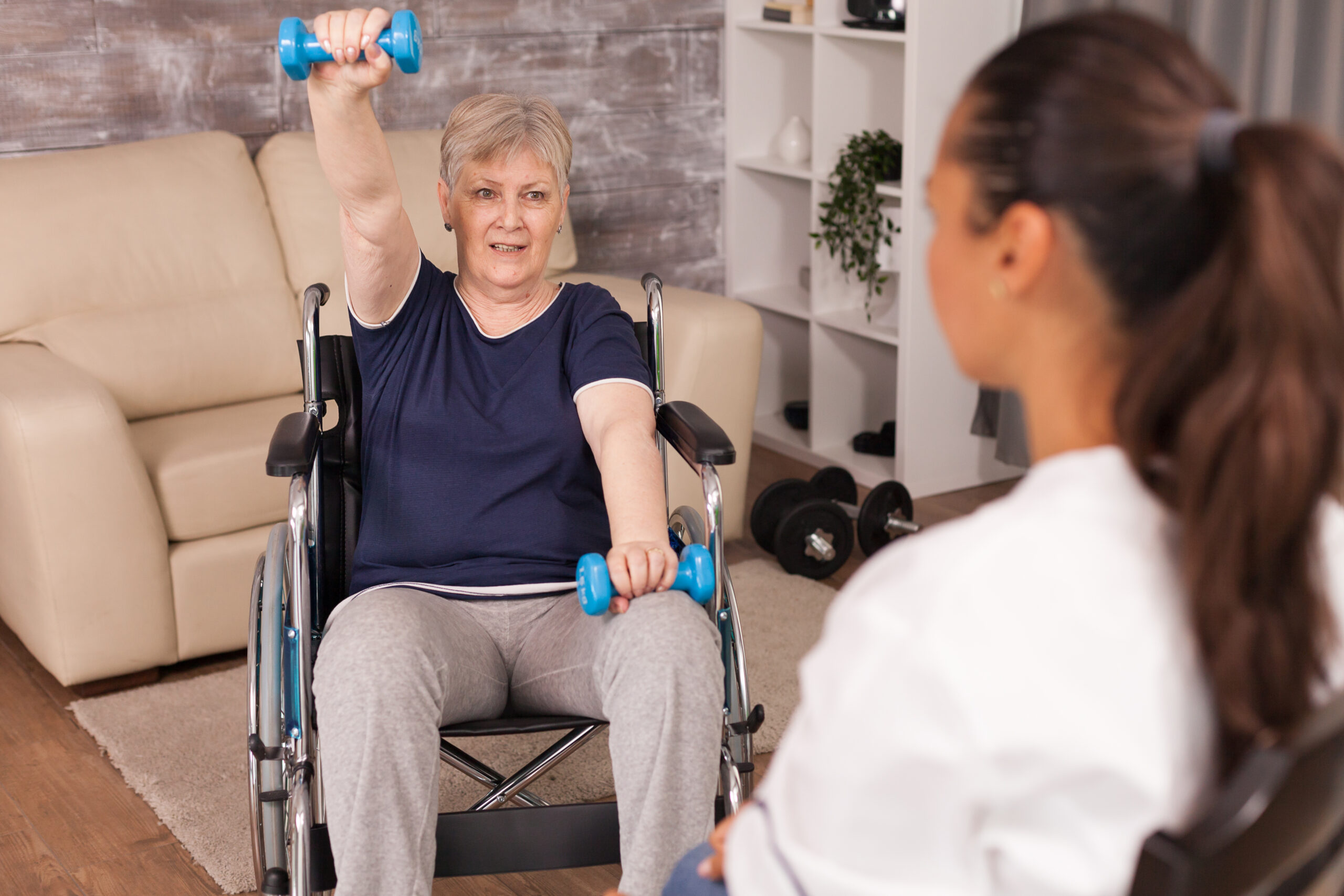
Physical therapy uses exercises, manual techniques, and therapeutic modalities to relieve pain, improve movement, and build strength. Your PT plan may include:
| Modality | Purpose |
|---|---|
| Exercise | Enhance strength, range of motion, and flexibility |
| Ultrasound | Deliver deep heating to promote tissue repair |
| Electrical stimulation | Modulate pain, support muscle re-education |
| Traction | Reduce spinal discomfort and improve mobility |
| Heat therapy | Increase circulation and relax muscle tone |
These methods are grounded in best practices and often combined for comprehensive care [4].
Speech therapy
Speech therapy addresses challenges with speaking, language comprehension, cognition, and swallowing. Through fun, functional activities and cutting-edge tools—like biofeedback or neuromuscular electrical stimulation—you’ll rebuild communication and safe-swallowing skills. In intensive rehab, speech therapy typically mirrors OT and PT schedules, with multiple daily sessions [5].
By engaging a diverse array of therapy modalities in rehab, you create a robust foundation for lasting change. Each method at Pax Healing is selected to meet your unique needs—whether you’re repairing physical function, processing trauma, or cultivating mindfulness. As you progress, your treatment team will adjust modalities to support your growth and independence.
Ready to explore which therapies will transform your recovery journey? Contact Pax Healing today to design a personalized plan that integrates the best evidence-based, holistic, and rehabilitative approaches for you.