
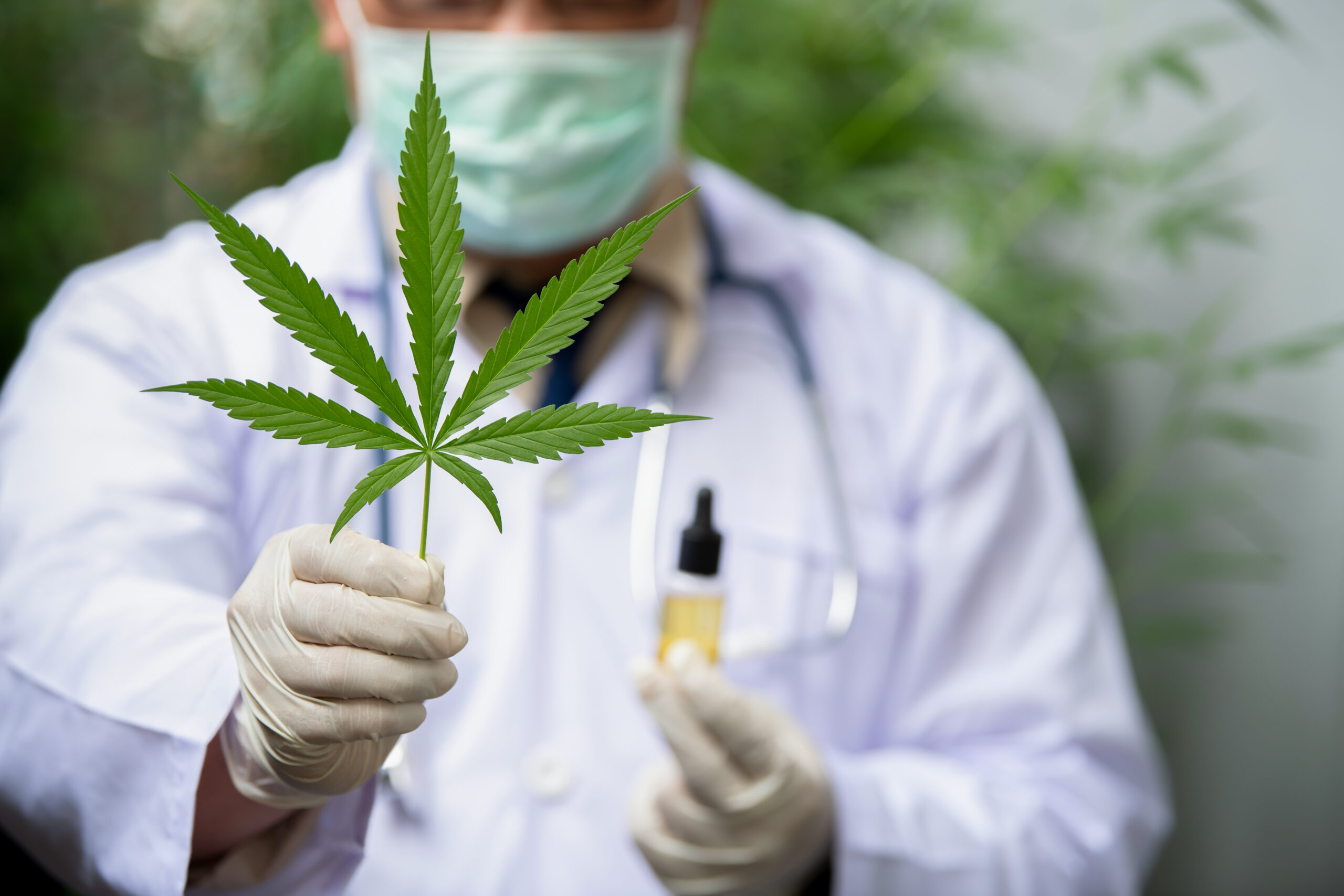
Cannabis use disorder treatment MassHealth approved programs can feel overwhelming when you’re close to verifying your insurance. You need clear, concise information on how MassHealth covers structured addiction services—from partial hospitalization to medication-assisted treatment—to make confident decisions. This guide walks you through regulatory standards, covered treatment levels, in-network access, authorization requirements and support resources, so you can focus on recovery.
MassHealth coverage overview
Regulatory requirements
MassHealth participates in substance use disorder treatment under Massachusetts General Laws Chapter 130 and Code of Massachusetts Regulations 418 (130 CMR 418), which set standards for program licensure, staffing and quality monitoring (Mass.gov). Facilities must also meet operational rules under 104 CMR 27.18 to treat individuals with Section 35 commitments and offer medication-assisted treatment options (Mass.gov). Recent legislation, St. 2024, c. 285, expanded coverage for recovery coach licensure and enhanced service options across programs (Mass.gov).
Covered services
MassHealth covers a continuum of care for cannabis use disorder and other substance use disorders, including:
- Inpatient detox and residential rehab
- Partial hospitalization programs
- Intensive outpatient programs
- Standard outpatient addiction care
- Medication-assisted treatment (MAT)
- Dual diagnosis services for co-occurring mental health issues
- Recovery coaching and harm reduction support
Out-of-state or out-of-network services generally require prior authorization, except in emergencies. You must be a Massachusetts resident and seek treatment within the state to qualify.
Partial hospitalization programs
Partial hospitalization programs (PHP) offer daylong, structured treatment that blends medical supervision, individual therapy and group sessions. You attend programming five to seven days a week but return home or to sober living each evening. Benefits include:
- High level of clinical oversight
- Daily peer support and accountability
- Access to medication-assisted treatment and psychiatry
- Coordination with your primary care or mental health team
Most PHP providers participate in the masshealth in network php for addiction network managed by the Massachusetts Behavioral Health Partnership. Same-day admissions are often available when you call provider intake lines, ensuring continuity of care without delays.
Intensive outpatient programs
Intensive outpatient programs (IOP) balance flexibility and structure by offering therapy at least three days per week, typically for three hours per session. IOP is ideal if you have work, school or family responsibilities but need more support than standard outpatient care. Key features include:
- Group therapy focused on coping skills
- Individual counseling to address underlying issues
- Family therapy and education modules
- Relapse prevention planning
- Coordination with primary medical providers
Look for programs verified as masshealth accepted iop program. These centers maintain robust clinical teams and seamless referrals to PHP or residential care if you require a higher level of support.
Outpatient addiction care
Standard outpatient addiction care offers one to two therapy sessions weekly, with additional appointments available as needed. This level is suited for those in early recovery who demonstrate stability and lower risk of relapse. Outpatient care may include:
- Cognitive behavioral therapy and motivational interviewing
- Group relapse prevention workshops
- Case management and resource referrals
- Telehealth options for remote support
Verify providers under masshealth approved outpatient addiction care to ensure your services are covered without unexpected costs.
Medication assisted treatment
Medication-assisted treatment (MAT) combines FDA-approved medications with counseling and behavioral therapies to treat cannabis use disorder and co-occurring substance use disorders. MassHealth covers MAT under a comprehensive benefits package, ensuring you can access medications at low or no cost.
Suboxone treatment
Buprenorphine/naloxone (Suboxone) reduces cravings and withdrawal symptoms, helping you maintain stability. Most clinics accept MassHealth for Suboxone induction and maintenance phases. For details on participating providers, explore suboxone treatment masshealth accepted.
Vivitrol shots
Extended-release naltrexone (Vivitrol) blocks the effects of opioids and alcohol and is sometimes used off-label to support cannabis abstinence. MassHealth covers administration costs and follow-up visits. Find certified programs via vivitrol program covered by masshealth.
MAT comparison table
| Medication | Administration | Coverage | Key benefit |
|---|---|---|---|
| Suboxone | Sublingual film | MassHealth covered | Reduces cravings, easy home dosing |
| Vivitrol | Monthly injection | MassHealth covered | Blocks receptor effects, improves adherence |
| Methadone | Daily clinic dosing | MassHealth covered | Long-established efficacy for opioid use disorder |
For dual diagnosis treatment that integrates MAT and mental health care, see co-occurring addiction treatment that takes masshealth.
Access in network providers
MassHealth addiction treatment is delivered through a network managed by the Massachusetts Behavioral Health Partnership, which includes over 1,200 providers. To confirm coverage:
- Call your plan’s customer service number
- Search the MBHP online directory
- Check provider licensure and service offerings
If you choose an out-of-network provider without authorization, you risk higher out-of-pocket costs. In emergencies, MassHealth covers stabilization and transport, but follow-up must occur in-network.
Manage authorizations and costs
Prior authorization and referrals vary by service type and your specific MassHealth plan. You may need:
- A referral from your primary care provider
- Documentation of medical necessity
- Authorization for residential or out-of-state stays
MassHealth covers nearly all costs for Massachusetts residents receiving approved addiction services, but verify requirements early. Use RehabNet’s free 24/7 helpline to confirm coverage and locate nearby facilities (RehabNet).
Utilize support resources
Recovery extends beyond clinical care. MassHealth supports a range of ancillary services to help you maintain progress:
- 24/7 Massachusetts Substance Use Helpline for confidential guidance (Mass.gov)
- Licensed recovery coaching under St. 2024, c. 285
- Peer support groups and sober community activities
- Case management for housing, employment and legal needs
Engage family members in education sessions and leverage aftercare planning through your treatment team. Coordinated care and community resources reduce relapse risk and foster lasting wellness.
By understanding MassHealth’s coverage rules, treatment levels and authorization processes, you can choose the right cannabis use disorder treatment programs that fit your needs and budget. With in-network providers, evidence-based therapies and medication-assisted options at your disposal, you’re equipped to navigate each step of your recovery journey confidently.